
If you’re a car enthusiast, you know that one of the best ways to protect your vehicle is to have it powder-coated. Powder coating is a type of coating that is applied as a dry powder. The powder is made up of finely ground pigments and electrostatically charged resins, which help the powder adhere to the binder applied on the car’s surface. The major distinction between powder coating and other types of coatings is that powder coating doesn’t need a solvent to stay the filler and binder parts in the form of liquid suspension. Powder coating is an excellent way to protect your car from the elements and keep it looking its best. For the best results, please consider using professionals for all your powder coating solutions, such as sandblasting your metals. Here is an informational guide that will walk you through the steps you need to take when powder coating your car to get the best possible results.
The Powder Coating Process
The two main types of powder coatings that you need to be aware of are thermoplastic and thermoset. Thermoplastic powder coatings are melted and reformed when heated, while thermoset powder coatings chemically cross-link when heated and cannot be melted and reformed.
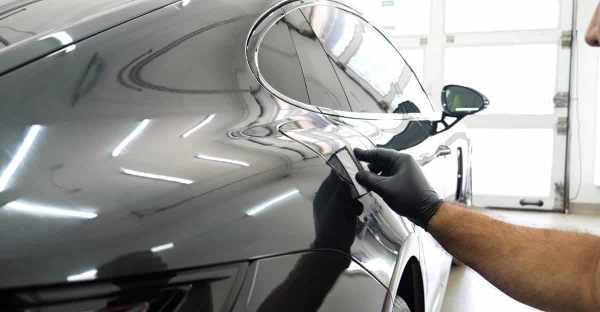
The powder coating process begins by cleaning and pre-treating your car’s surface with a zinc phosphate solution. This solution is usually applied electrostatically, and it helps the powder adhere to the metal surface. The car is then placed in a powder coating booth, where it’s sprayed with the powder using an electrostatic gun. The powder particles are attracted to the metal surface by the electrostatic charge.
It is then cured under heat to allow it to form a `skin` by placing it in an oven that’s heated to a temperature that causes the powder to melt and flow or cross-link chemically. Whether the powder used is a thermoplastic or a thermoset polymer, it creates a hard and durable finish that is tougher than conventional paint.
This process is generally less expensive than other paint finishes. It can be performed by a professional shop or by the owner of a vehicle, but costs will mainly vary depending on the car’s size and the design’s complexity.
Preparing Your Car For Powder Coating
If you’re considering powder coating your car, there are a few things you need to do to prepare the surface for the coating.
- Clean The Surface.
The first step is to clean the surface that you’ll be powder coating. It’s essential because any surface dirt, grease, or other contaminants can prevent the powder from adhering properly. You’ll need to use a degreaser or a phosphate-free cleaner that is specifically designed for powder coating prep.
- Sand The Surface.
Once the surface is clean, you’ll need to sand it for the powder to adhere to. It can be done with a variety of sandpaper grits, but you’ll want to start with coarse grit and work your way up to a finer grit. Sanding the surface will help the powder adhere better and create a smoother finish.
- Remove Any Rust.
If the powder coating surface has any rust on it, you’ll need to remove it before proceeding. There are several rust removal products on the market, so you’ll need to choose one that is specifically designed for use on powder-coating surfaces.
- Clean The Surface Again.
After you’ve removed the rust, you’ll need to clean the surface again. It’s imperative because any residue from the rust removal process can prevent the powder from adhering properly.
- Apply A Primer.
Once the surface is clean, sanded, and free of rust, you’ll need to apply a primer. It’s essential because the primer will help the powder adhere to the surface. It would be best if you used a powder coating primer, and you’ll need to follow the manufacturer’s instructions for application.
Powder Coating Your Car
Before you powder coat your car, you’ll need to gather the following supplies:
- Mask
- Gloves
- Powder coating gun
- Compressed air
- Coating powder
- A curing oven
Once the primer you applied is dry, you can begin to apply the powder. You can apply various methods, but the most common is using an electrostatic powder coating gun, which charges the powder and then sprays it onto the car’s surface. You’ll want to hold the gun about six to eight inches from the surface. When ready to start powder coating, you’ll need to hold down the trigger and move the gun evenly across the surface.
As you apply the powder, you’ll want to build up a nice, even coat. You may also need to apply several coats to achieve the desired color; once that has been achieved, you’ll need to cure the powder.
Curing The Powder Coat
The curing process of powder coating is essential in achieving the desired properties of the coating. The process involves heating the coated part to allow the powder to flow and form a `skin.` The curing process involves three main steps: preheating, baking, and cooling.
- Preheating
Preheating the powder-coated part is critical to achieving a quality finish. The powder coating must be heated evenly in an oven to avoid any defects in the finish. The ideal preheating temperature is between 200-250°F.
- Baking
The powder coating is baked at 400-425°F to cure the powder. The bake time will vary depending on the thickness of the powder coating. The temperature of the baking process will depend on the type of powder and the desired properties of the coating. For example, if you’re looking for a hard and durable coating, you’ll need to bake the powder coating at a higher temperature for longer.
- Cooling
After baking, allow the powder-coated part to cool down slowly to avoid any defects in the finish. The ideal cooling temperature is between 80-100°F.
Here are some tips to help you cure your powder-coated car:
- Make sure the powder is fully cured before removing the car from the oven. Otherwise, it will not be as durable and wear-resistant.
- The curing temperature will depend on the type of powder you’re using. Make sure to follow the manufacturer’s instructions.
- The curing time will also depend on the powder you’re using. Make sure to follow the manufacturer’s instructions.
- After the curing process is complete, allow the powder-coated car to cool down completely before you can remove it from the oven.
Once the powder is cured and the car has cooled down, you’ll need to inspect the surface to ensure no imperfections. If you find any areas that need to be addressed, you can sand them down and reapply the powder.
Once you’re satisfied with the surface, you can apply a clear coat. It’s optional, but it will help to protect the powder coating and give the car a high-gloss finish. You can apply the clear coat with a brush or a spray gun. Remember, you should use a powder coating clear coat, and you’ll need to follow the manufacturer’s instructions for application.
The Benefits Of Powder Coating
Powder coating is a popular choice for many car enthusiasts because it offers numerous benefits over traditional paint finishes. One of the major benefits of powder coating is that it creates a much thicker coating than traditional wet paint.
It means that it’s more resistant to wear and tear and more resistant to corrosion, chipping, and scratching. It`s also more resistant to fading and sunlight damage than traditional wet paint because it has better UV resistance and can withstand higher temperatures.
Another benefit of powder coating is that it’s a more environmentally friendly option than traditional wet paint. Powder coating doesn’t release any volatile organic compounds (VOCs) into the atmosphere and is also not flammable. It’s also easier to clean since there is no liquid waste to dispose of. It makes it a much safer option for the environment and the people working with it.
Powder coating also gives your car a unique look since it’s available in many colors. The most common powder colors are black, white, and grey. However, powder coating can be dyed to match any color and can also be applied to various textures, allowing you to customize the look of your car.
Maintaining Your Powder-Coated Finish
Powder-coated cars require special care to maintain their finish. Here are some tips to keep your powder-coated finish looking its best.
- Wash Your Car Regularly
It will remove dirt, dust, and other debris that can dull the finish. Use a mild soap and water solution and a soft cloth or sponge.
- Wax Your Car
It will help to protect the powder coating from the elements and keep it looking shiny and new. Use quality car wax and apply it according to the manufacturer’s instructions.
- Touch Up Chips Or Scratches
If the powder coating is damaged, it’s necessary to touch up the area as soon as possible. It will prevent the damage from spreading and will keep your car’s finish looking smooth and flawless.
- Store Your Car In A Cool, Dry Place
Extreme temperature changes can cause the powder coating to crack or peel. If you must store your car outside, cover it with a tarp or car cover to protect it from the elements.
- Avoid Using Harsh Chemicals.
If you must use a cleaning chemical on your car, test it in an inconspicuous area first to ensure it doesn’t damage the powder coating. When using any chemical, always follow the manufacturer’s instructions.
Summary
Powder coating is a popular finish for many car enthusiasts because it offers a durable, long-lasting, easy-to-maintain finish for your car. It’s a relatively simple process, but it’s vital to ensure that the powder is applied correctly. However, since powder coating isn’t impervious to damage, you should care for your powder-coated car to maintain its finish. Following these simple tips outlined in this guide, you can powder coat your car like a pro and keep your car’s finish looking new for years to come.