
Muscle cars have a strong place in automotive culture because they combine power, design, and driver control in a way enthusiasts recognize immediately. Their performance can make ordinary traffic moments more demanding when drivers must respond to sudden braking, lane movement, or limited space. When a car accident happens, the focus can shift from the vehicle itself to the physical, financial, and legal consequences that follow. Those consequences often affect injured drivers, passengers, and pedestrians who must deal with recovery while decisions about fault are still being made.
Performance vehicles do not automatically determine liability, and the legal review should not rely on assumptions about the driver or the car. A fair evaluation depends on evidence, medical records, vehicle damage, road conditions, and the conduct of everyone involved. Insurance companies often examine whether a driver acted reasonably before impact and whether the injury being claimed is supported by treatment documentation. This makes the period after the crash important because early actions can influence how the claim is handled.
Legal review after performance vehicle collisions
A crash involving a muscle car can require a detailed review of timing, braking, speed changes, and driver attention before impact. These details help determine whether one driver failed to keep control, followed too closely, ignored traffic conditions, or made an unsafe movement. Physical evidence can include photographs, repair estimates, police notes, skid patterns, and the final resting position of the vehicles. When statements conflict, that evidence may become central to the liability dispute.
According to accidentlawyerelite.com based in Orlando, Florida, medical documentation also carries weight because the injured person must connect the harm suffered to the collision itself. Pain may appear immediately, but some symptoms develop after the initial shock fades and normal movement resumes. Treatment records, diagnostic testing, and follow-up appointments help show whether the injury is minor, ongoing, or likely to affect work and daily routines. For claims handled within Orange County, Florida, the local review process can shape how evidence is organized and how disputes move toward resolution.
Traffic pressure and injury questions
Orlando traffic can create demanding conditions because commuters, visitors, delivery vehicles, and rideshare drivers often share the same road space. Sudden stops, busy intersections, and rush hour traffic may all contribute to collision risk when drivers react too late or misjudge distance. In that environment, a muscle car may be only one part of the broader factual picture rather than the central reason a crash occurred. The legal question remains whether someone acted carelessly and whether that conduct caused measurable harm.
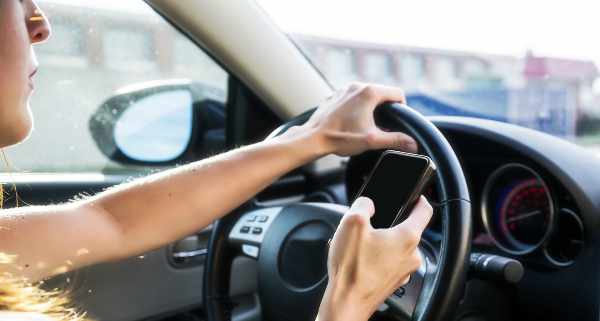
A claim involving Orlando drivers may turn on details that seem small at first but become important later. The distance between vehicles, the timing of a turn, the speed of surrounding traffic, and the presence of distracted driving conditions can all affect liability analysis. Injured passengers and pedestrians may have limited control over the events, yet they still face medical bills, missed work, and insurance delays. Careful documentation gives their legal representatives a stronger basis to explain what happened and why compensation is being sought.
Local movement and residential crash concerns
Baldwin Park creates a different driving context because residential streets, pedestrian movement, cyclists, and local errands can overlap throughout the day. A crash in that setting may occur at lower speeds, but lower speed does not always mean limited harm. A person can still suffer neck strain, back pain, shoulder injuries, or other physical problems after a sudden impact. The claim may depend on whether the driver adjusted properly to the conditions and maintained reasonable awareness.
MetroWest can also involve frequent turning movements, apartment access points, business traffic, and short-distance trips that create repeated stopping patterns. These conditions can make witness accounts and scene photographs useful when drivers disagree about what occurred. Insurance companies may question whether the injury is serious enough to support compensation, especially when vehicle damage appears modest. Consistent treatment records can help answer those questions by showing how the injured person`s condition developed over time.
Commuter patterns and liability disputes
Winter Park has steady commuter activity, business traffic, parking movement, and intersection flow that can complicate crash analysis. A driver may claim another vehicle entered the lane unexpectedly, while the other party may argue that speed, following distance, or distraction caused the impact. These disputes are common because both sides may remember the same event differently after a stressful collision. Evidence gathered soon after the incident often helps separate assumption from fact.
Injury claims from commuter traffic may also involve delayed symptoms that make the recovery timeline harder to explain. Someone may leave the scene feeling sore but manageable, then experience worsening pain once inflammation and stiffness increase. Medical providers can document those changes, but gaps in treatment may give insurers room to challenge the claim. Legal representation can help organize records, preserve important evidence, and respond to arguments that minimize the injured person`s losses.
Recovery decisions after roadway collisions
The Orange Avenue corridor can involve congestion, signal changes, turning vehicles, and stop-and-go movement that require constant driver attention. A crash on a road with that level of activity may require review of timing, visibility, traffic flow, and whether a driver had enough space to react safely. I-4 traffic can also influence surrounding road pressure when delays push more vehicles into nearby routes during busy travel periods. These roadway factors matter because liability often depends on the practical conditions present before impact.
After a serious collision, recovery involves more than repairing the vehicle or speaking with an insurance adjuster. Medical care, work disruption, transportation problems, and disputed fault can all affect the injured person`s daily life. A fair legal review should connect the evidence from the crash with the documented injury and financial losses that followed. Orlando claims involving muscle cars are strongest when they rely on facts, records, and clear liability analysis rather than assumptions about performance vehicles.