
Classic and muscle car collections have transformed from simple garage hobbies into genuinely significant assets over the past two decades. A car that sold for a few thousand dollars decades ago can now command six figures at auction, particularly when it carries original parts, low mileage, and documented history that collectors specifically look for when evaluating a purchase. This shift has turned what used to be a personal passion project into something with real financial weight attached to it, changing how families think about these vehicles entirely, sometimes without anyone in the household fully realizing it until much later.
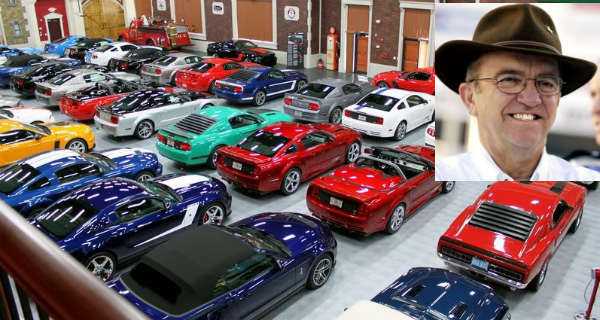
That rising value has changed the emotional stakes surrounding these collections as much as the financial ones. A restored muscle car often represents years of weekends spent in a garage, money set aside from other priorities, and a personal connection that goes far beyond what the vehicle would fetch at a sale to a stranger who never touched a single bolt on it. When a family later has to decide what happens to that collection, the combination of genuine sentimental attachment and substantial dollar value creates a situation that rarely resolves as simply as everyone involved might hope going into the conversation.
When These Collections Become Contested Property
Divorce and inheritance situations have increasingly forced families to confront difficult questions about who actually owns a car collection built over years or even decades of steady work. A vehicle purchased before a marriage might have been extensively restored using money earned during that marriage, blurring the line between separate and shared property in ways that surprise people who assumed ownership was obvious from the start. Similar confusion arises when a parent passes away leaving behind a collection that multiple children feel entitled to, each with their own memories and claims attached to specific vehicles in the garage.
According to one law firm, a family lawyer handles exactly these kinds of disputes, working through divorce settlements, inheritance disagreements, and property division cases where emotional attachment complicates what might otherwise be a straightforward legal question. When a car collection enters into one of these cases, a family lawyer typically works alongside appraisers who understand classic car markets specifically, since general property valuations rarely capture what makes a particular vehicle valuable to serious collectors. That combination of legal guidance and specialized appraisal helps families reach a resolution that accounts for both the financial worth of a collection and the complicated history attached to it.
Restoration Projects as Multi Generational Efforts
Many of the collections now generating these disputes started as multi generational projects rather than single purchases made by one person acting alone. A grandfather might have bought a car decades ago, only for a father and eventually a grandchild to continue restoring it together over the years, each contributing labor, money, and personal touches along the way that add up over time. This layered history makes ownership questions considerably more complicated than a simple bill of sale would suggest to anyone looking at the paperwork alone.
Family members who spent years working on a vehicle together often feel a claim to it that goes beyond legal paperwork, rooted in shared weekends and inherited mechanical knowledge passed down through hands on experience rather than any formal transfer of title. When these projects eventually become part of a larger estate or divorce settlement, the emotional weight of that shared history frequently complicates decisions that might otherwise seem straightforward from a purely financial perspective on paper.
The Challenge of Fair Valuation
Determining what a classic car collection is actually worth requires expertise that most general appraisers simply do not have readily available on hand. Factors like original paint, matching numbers between the engine and chassis, and documented ownership history can dramatically shift a vehicle’s value in ways that would be invisible to someone unfamiliar with collector car markets specifically and how enthusiasts actually price these vehicles. Two seemingly identical cars can carry wildly different price tags depending on details only a specialist would recognize immediately upon close inspection.
This valuation challenge becomes especially pointed when a collection includes vehicles that rarely appear at auction, making comparable sales difficult to find for anyone trying to establish a fair number. Families going through a legal dispute over these collections often need multiple expert opinions before arriving at numbers everyone can reasonably accept, adding both time and cost to proceedings that already carry significant emotional weight for everyone involved in the process from start to finish.
How the Collector Community Views These Situations
Car clubs and enthusiast communities have watched this trend develop with a mix of concern and practical acceptance, recognizing that beloved collections sometimes end up scattered across multiple owners after a legal proceeding concludes and everyone moves on separately. Some clubs have started offering informal guidance to members facing these situations, connecting them with appraisers and specialists who understand both the legal process and the collector market itself well enough to bridge the gap between the two.
This community awareness has slowly changed how some families approach collection ownership from the very beginning, with more people now documenting contributions and agreements in writing well before any dispute becomes necessary down the road. Enthusiasts who have watched friends go through contentious divisions often describe this proactive documentation as something they wish they had considered years earlier, before sentimental value made the entire situation far more complicated than it needed to be for anyone involved.
What This Means for the Future of These Collections
As classic and muscle car values continue climbing, these kinds of disputes are likely to become more common rather than less, particularly as collections built decades ago pass through another generation of ownership and change hands once again. Families who take proactive steps toward documentation and clear agreements tend to navigate these transitions with considerably less conflict than those who leave everything unresolved until a crisis forces the issue into the open.
For collectors building their own garages today, this growing pattern serves as a reminder that these vehicles carry weight beyond their engines and bodywork alone. What starts as a personal passion project can eventually become part of a much larger family conversation, and preparing for that possibility early tends to preserve both the collection and the relationships surrounding it far better than waiting until a dispute forces everyone’s hand at the worst possible time.