
Classic cars often hold more than just monetary value. They represent memories, milestones, and family planing and traditions that span generations. Preserving this type of collection requires careful consideration of long-term family priorities. Many owners find themselves reevaluating how these assets fit into broader life planning and future inheritance considerations. The decisions made today can influence how smoothly these treasured vehicles are maintained and enjoyed by the next generation.
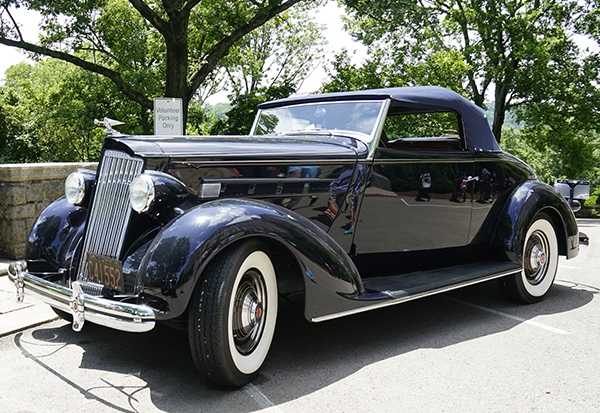
Balancing passion and practicality is key. Owners need to think about storage, insurance, and potential sale or transfer of classic cars, all while keeping in mind family circumstances. Planning ahead ensures these assets are handled thoughtfully, avoiding complications or disputes later. Every choice made should reflect both the emotional significance and practical realities of owning a collector vehicle.
Owners may also consider documenting the stories behind each vehicle. Keeping records of restorations, provenance, and personal anecdotes adds depth to the collection and preserves its history for future generations. These details can transform a set of cars into a tangible family legacy that holds sentimental and educational value.
Considering Legal Arrangements
Integrating these valuable vehicles into a formal plan can protect both the family and the cars themselves. It is important to address how these assets will be distributed and maintained. According to brandywineestateandelderlaw.com, probate planning plays a role in making sure that the wishes of the car owner are respected while minimizing stress for heirs. A clear legal structure can prevent confusion or disagreements, allowing loved ones to focus on enjoying the cars rather than dealing with uncertainty.
Having proper documentation and agreements in place ensures that the intentions of the owner are followed. Including detailed instructions about storage, usage, and maintenance of each vehicle helps prevent disputes or mismanagement. Thoughtful preparation today can save significant time and frustration in the future, providing clarity for everyone involved.
Families may also explore ways to legally protect vehicles with special conditions. This might include gifting, trusts, or other arrangements to ensure fair treatment for all heirs while maintaining the collection`s integrity. Proactively addressing these legal nuances avoids problems and preserves the value of the collection.
Working With Advisors
A professional perspective can add security and foresight to planning. Consulting with a knowledgeable family lawyer helps ensure that all documents align with legal requirements. The expertise of a family lawyer can make a significant difference when it comes to managing inheritance, minimizing potential conflicts, and addressing complex tax considerations. Ensuring proper legal guidance protects both the family and the collection.
Professional advisors can also help families navigate nuances such as shared ownership, special conditions for use, and transferring title. By addressing these details proactively, the family can maintain both harmony and the value of their vehicles. Effective planning with professional insight reduces the risk of disputes and ensures that cars remain a source of enjoyment and pride.
In addition to legal advice, financial advisors may provide guidance on insurance, valuation, and tax implications. Combining legal and financial perspectives ensures that families are making informed decisions and fully protecting both their assets and their relationships. This multidisciplinary approach strengthens long-term planning.
Managing Collections
Classic car collections require daily attention and strategic oversight. Storage conditions, climate control, and insurance coverage are all critical elements in maintaining value and performance. Some families set up trusts or other legal arrangements to manage these assets effectively, ensuring that maintenance responsibilities and financial obligations are clear.
Regular upkeep is vital to preserving the mechanical and aesthetic integrity of classic vehicles. In addition to physical care, families need to plan for eventual ownership transitions. Preparing these logistics in advance ensures the collection continues to be enjoyed and respected without unnecessary tension.
Owners may also consider scheduling regular family meetings to review the collection`s condition and maintenance plans. This shared responsibility encourages participation and keeps everyone informed. Engaging multiple family members in collection management can create a more sustainable and organized approach.
Family Communication
Open communication within the family plays a crucial role. Clear discussions about expectations, responsibilities, and future plans can prevent misunderstandings. When everyone involved understands how decisions will be made, there is less chance of conflict arising around ownership or use.
Transparent conversations can also foster shared enthusiasm and appreciation. Family members may collaborate on maintenance, restoration projects, or events, strengthening bonds while honoring the legacy of the collection. A well-communicated plan makes it easier to balance enjoyment and preservation of these vehicles.
Families can also establish written guidelines for handling disputes or unexpected situations. This ensures that any disagreements are addressed respectfully and fairly, reducing stress and preserving relationships. Documented communication provides clarity and reassurance for all involved.
Ensuring a Smooth Transition
Planning ahead ensures that classic cars remain a source of pride rather than stress for the family. Thoughtful arrangements help protect both the vehicles and the relationships surrounding them. By addressing legal, practical, and emotional considerations early, families can pass down their collection seamlessly.
These vehicles can continue to provide joy and connection for generations when care, planning, and communication are prioritized. The combination of structured planning and shared understanding ensures that the legacy of a classic car collection is maintained and respected over time.
A smooth transition also requires considering future collectors or enthusiasts within the family. Ensuring that successors are educated about the collection and its maintenance fosters appreciation and continuity. By pairing practical guidance with emotional connection, families can guarantee that these vehicles remain cherished and well-managed for years to come.