


The first frosty morning has a way of exposing every little thing a car has been putting off. A sluggish start, a tire-pressure warning, or wipers that smear instead of clear can turn an ordinary commute into a frustrating delay. Autumn is the sweet spot for getting ahead of those surprises, before icy roads and freezing temperatures make a minor issue harder to handle.

Start With A Seasonal Inspection
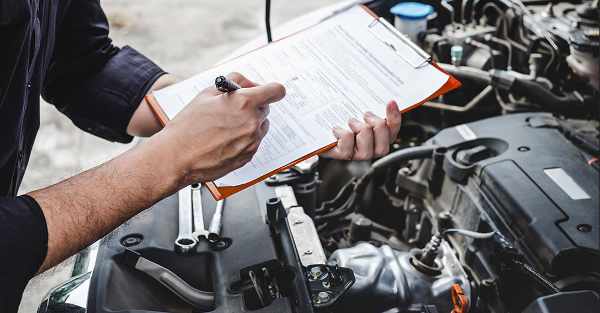
A seasonal checkup is a chance to catch small problems while there is still time to fix them. If you`re searching for Chevrolet service and maintenance near Albany, book an appointment and ask the service team to review the items most affected by cold weather. Use the vehicle`s maintenance schedule as a guide, since service needs depend on its age, mileage, and condition.
Give Tires A Closer Look
Tires are your car`s only contact with the road, so worn tread or incorrect pressure matters even more when pavement gets slick. Check pressure when the tires are cold and compare it with the recommendation on the driver`s door placard or in the owner`s manual. Don`t use the maximum pressure printed on the tire as the target. Look for uneven wear, cracks, bulges, or embedded objects, and check the spare if the vehicle has one. The National Highway Traffic Safety Administration`s winter driving guidance explains tire-pressure checks and other ways to prepare for winter roads.
Test The Battery Before The Cold Sets In
A battery that starts the engine without complaint in September may struggle on a freezing morning. Have its condition and the charging system tested, particularly if the engine cranks slowly, the lights dim, or the battery has been in service for several years. Corroded or loose connections can also cause trouble, so ask for those to be checked. Replacing a weak battery in comfortable weather beats hunting for a jump-start in a cold, windswept parking lot.
Check Fluids, Belts, And Hoses
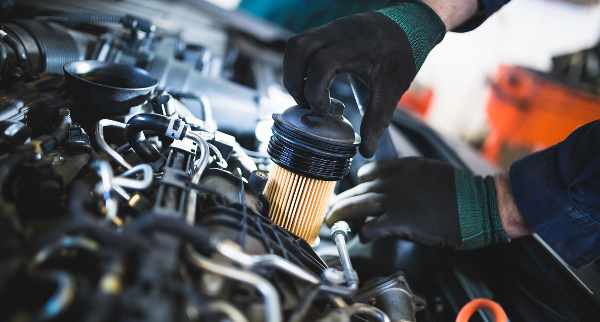
Fluids and rubber components work hard through temperature swings. Ask a technician to inspect coolant level and condition, check for leaks, and confirm the mixture meets the vehicle maker`s specifications. Proper coolant helps protect against both overheating and freezing damage. Check that engine oil is the recommended grade for the vehicle and local winter conditions, and top up with winter-rated windshield washer fluid. A quick look at belts and hoses can reveal cracking, fraying, or soft spots before a failure leaves you stranded.
Make Sure You Can See And Be Seen
As daylight shrinks and rain turns to sleet, visibility becomes a safety essential. Replace wiper blades that streak, chatter, or leave uncleared patches. Clean the windshield inside and out, then check headlights, brake lights, turn signals, and hazard lights. Keep an ice scraper and snow brush within easy reach, not buried under bags in the trunk. Clear lights and windows help you spot hazards and make the car easier for others to see.
Get Brakes And Emergency Gear Ready
Grinding, squealing, vibration, or pulling to one side are good reasons to have the brakes inspected before winter travel picks up. A technician can check pads, rotors, and brake fluid, helping catch wear before slippery roads add to the challenge. It`s also worth packing a flashlight, warm layers, a first-aid kit, water, and a phone charger. AAA’s winter driving tips include more cold-weather preparation advice.
Turn Autumn Checks Into Peace Of Mind
A maintenance appointment won`t control the weather, but it can reduce the chance that a preventable problem interrupts a trip. Set aside time each autumn to check tires, battery, fluids, brakes, wipers, and lights, then follow up on repairs. That small investment of attention can mean easier starts, clearer views, and more confidence when the first winter storm rolls in.