



Owning and operating a muscle car or high-performance vehicle comes with unique responsibilities and routines. Drivers often dedicate significant time to vehicle maintenance, performance checks, and careful planning before long drives. Daily commuting and leisure driving require a focus on safety and timing, as even small lapses in attention or preparation can disrupt schedules and affect personal well-being. The connection between driving and overall health extends beyond simple safety. Extended periods behind the wheel, exposure to traffic stress, and physical strain from handling powerful vehicles can influence energy levels and mental alertness. Understanding these dynamics helps drivers anticipate potential complications and supports a safer, more reliable approach to both professional and recreational driving routines.

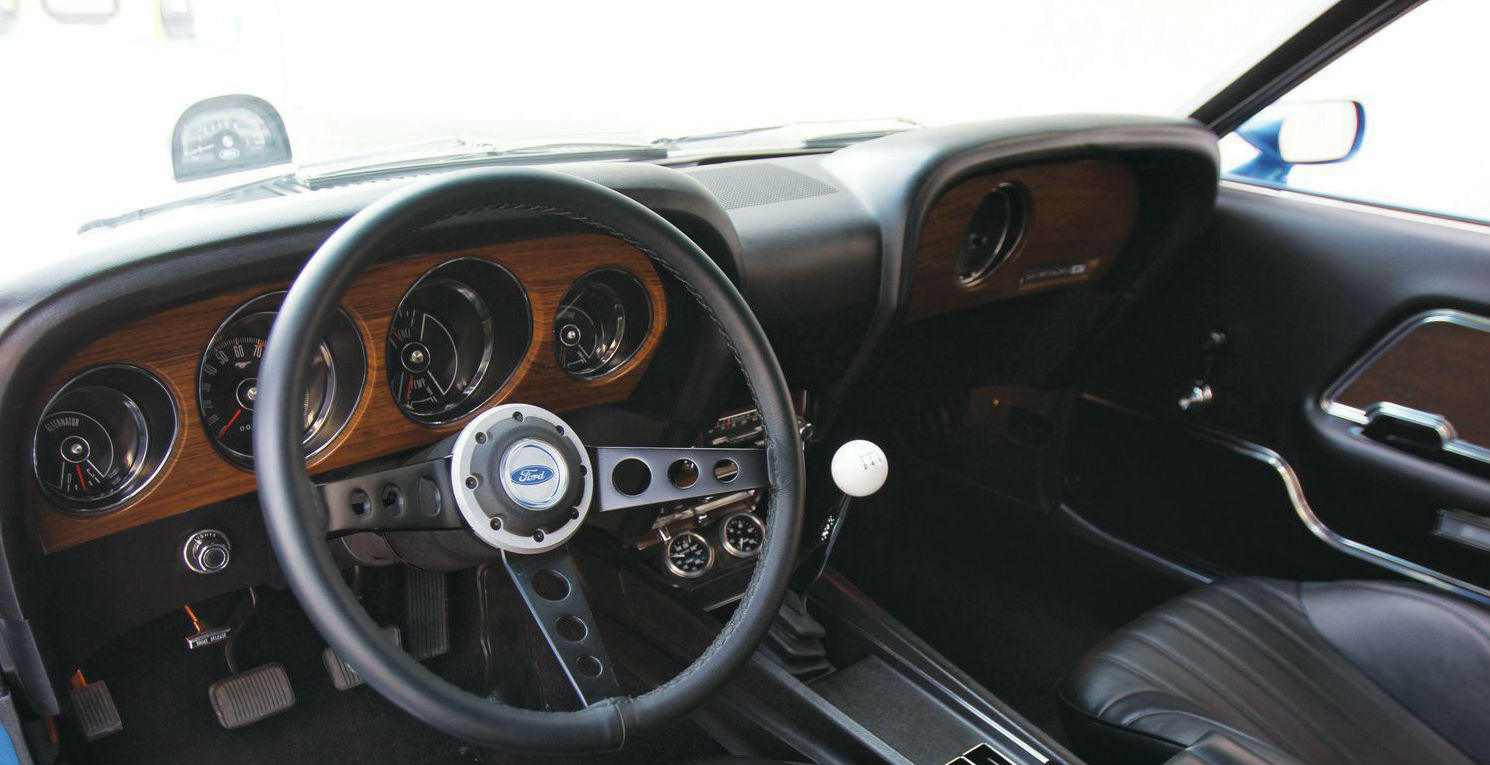
Recognizing how driving habits interact with personal health allows individuals to make informed decisions about rest periods, vehicle ergonomics, and travel frequency. Proper planning and awareness reduce strain on the body and minimize the likelihood of accidents or health complications. This proactive approach enhances daily performance, ensuring that both work and recreational driving can continue safely over the long term.
How Medical Malpractice Can Affect Drivers
According to a law firm, medical malpractice can directly influence drivers` ability to recover from injuries sustained in accidents or other health incidents related to vehicle use. Improper treatment, misdiagnoses, or delayed care can prolong recovery, limit mobility, and prevent individuals from returning to normal driving routines. The implications for those who rely on their vehicles for commuting, work, or recreational activities are significant, affecting both personal and professional stability.
Drivers impacted by medical malpractice may require adjustments to their responsibilities and schedules. Time off from work, restricted driving privileges, or long-term rehabilitation can create logistical challenges for employees and employers alike. Addressing these issues promptly ensures continuity in professional and personal life while supporting individuals through the recovery process and minimizing disruptions caused by health setbacks.
The broader consequences of medical malpractice extend beyond immediate recovery. Individuals may face increased medical costs, emotional stress, and difficulty regaining confidence behind the wheel. For drivers who manage muscle cars or high-performance vehicles, these challenges can also influence vehicle handling, risk assessment, and long-term engagement with automotive activities. Recognizing and managing these risks helps maintain both health and lifestyle commitments.
Assessing the Broader Impact on Lifestyle and Work
Health-related setbacks caused by accidents or medical errors influence more than immediate routines. Prolonged recovery or ongoing medical complications can reduce participation in work, car-related hobbies, or social activities. Drivers may experience decreased productivity and engagement, as well as additional stress related to balancing treatment schedules with professional and personal commitments.
Organizations and families alike may need to consider how these issues affect responsibilities and coordination. Awareness of potential delays, reduced physical capacity, and the need for accommodations can help in planning workloads, team coverage, and personal commitments. By assessing these factors, drivers and their support networks can create a framework for stability during periods of recovery and adjustment.
Long-term lifestyle adjustments may also be necessary to maintain balance. Drivers may need to modify driving frequency, engage in rehabilitative exercises, or restructure leisure activities to prevent recurring injuries. These adjustments, while sometimes challenging, ultimately support sustainable participation in both professional and personal routines, reducing the risk of further complications.
How Preventive Measures and Support Systems Help
Proactive attention to health and safety plays a critical role in reducing long-term disruptions for drivers. Regular medical checkups, prompt attention to injuries, and awareness of treatment quality can prevent complications and improve recovery outcomes. Combining these practices with safe driving habits minimizes the likelihood of accidents escalating into serious health or professional setbacks.
Support systems, both in personal life and at work, also enhance resilience. Family, colleagues, and healthcare providers who communicate effectively can help manage recovery timelines and maintain routine responsibilities. This coordination reduces stress and enables drivers to focus on rehabilitation while continuing to meet essential obligations safely and efficiently.
Preventive measures can also include planning for emergencies, understanding vehicle ergonomics, and monitoring health indicators that may affect driving capability. These efforts create a safety buffer that reduces the impact of unforeseen incidents and fosters a sustainable relationship with both work and driving hobbies. Establishing these habits supports long-term productivity and personal well-being.
Planning for Contingencies and Recovery
Being prepared for unexpected health or driving-related events is essential for maintaining stability. Contingency planning might include alternate transportation arrangements, flexible work schedules, or temporary assistance from colleagues or family members. Anticipating possible interruptions ensures that daily routines, professional responsibilities, and personal commitments remain manageable even during periods of recovery.
Documentation and clear communication are key components of effective contingency planning. Medical records, treatment schedules, and progress updates provide a structured approach for both employees and organizations to adjust expectations without compromising productivity. By integrating planning with practical support, drivers can navigate recovery periods without excessive disruption to their work or personal life.
Contingency strategies also build confidence and reduce anxiety in both personal and professional settings. Knowing there is a plan for handling setbacks allows drivers to focus on recovery without feeling overwhelmed. This proactive approach enhances resilience, preserves workflow, and ensures that both professional and recreational driving responsibilities remain under control during challenging periods.
Maintaining Health and Professional Stability
Long-term stability relies on consistent attention to both health and operational routines. Drivers who prioritize rehabilitation, adhere to treatment recommendations, and maintain safe driving practices reduce the risk of setbacks that could interfere with professional performance or personal commitments. A structured approach to recovery supports sustainable engagement with work, hobbies, and daily responsibilities.
Organizations and families play an important role in reinforcing this stability. Providing accommodations, monitoring progress, and offering support when needed ensures that drivers can resume full participation safely and efficiently. Maintaining health, productivity, and daily routines in parallel allows for a smoother recovery and preserves long-term well-being for individuals who face health or accident-related challenges.
Sustaining stability also involves integrating lessons learned from recovery periods into ongoing habits. Adjustments to scheduling, driving practices, and health monitoring can prevent future complications and reinforce resilience. By committing to these practices, drivers maintain long-term professional performance while safeguarding personal health and the enjoyment of their vehicles.