


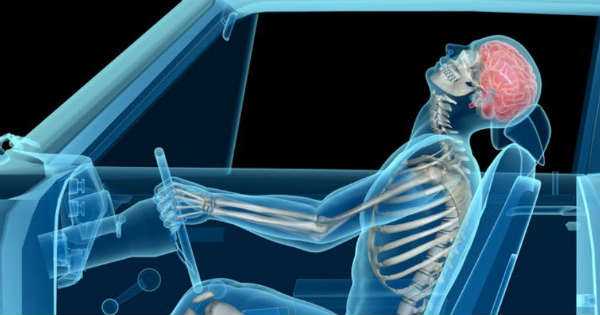
Muscle cars represent more than just powerful engines and sleek designs; they symbolize freedom, passion, and identity for many enthusiasts. For years, people pour time, money, and heart into restoring, driving, and celebrating these iconic machines. But life does not always stick to the plan. When personal injury enters the picture, it can abruptly change how a muscle car lover interacts with their passion. The physical limitations or recovery demands from an injury often force a rethink. What was once a weekend filled with wrenching and road trips might become a series of doctor visits and cautious rest. This shift can feel like losing a piece of oneself, as the connection to muscle cars is deeply personal and tied to lifestyle. Still, many find ways to adapt and keep the spirit alive despite new obstacles.

This disruption is more than a temporary inconvenience; it challenges the very foundation of a person`s identity. Muscle car enthusiasts often define themselves through their hands-on involvement and the sense of freedom their vehicles provide. When injury restricts movement or energy, it can lead to a profound sense of loss and frustration. Coping with this requires a mental adjustment that is often overlooked. The process involves mourning what once was, while seeking new ways to keep the passion alive. For many, this means shifting focus to planning future projects, learning more about automotive history, or connecting with others who share the same love for muscle cars. It becomes clear that the passion is not solely about physical interaction but also about the community and culture surrounding these machines.
Personal Injury and Its Effects on Muscle Car Life
According to dwaccidentlawyer.com, injuries vary widely, but even those that seem minor can carry long-term consequences. Pain, reduced mobility, or fatigue can make the hands-on work required for muscle cars difficult or impossible. Driving itself might become challenging or unsafe. These physical changes demand patience and new approaches to engaging with a beloved hobby.
Beyond the physical, there is an emotional toll. Muscle car enthusiasts often associate their cars with identity and achievement. Injury can trigger frustration or sadness over lost independence. The need to ask for help or accept limitations clashes with the self-reliant mindset common in car culture. Overcoming these feelings is part of the journey to recovery and renewed involvement.
The impact on daily life often extends well beyond the garage or driving experience. Muscle car enthusiasts typically integrate their hobby into social activities, events, and personal routines. When injury interrupts these patterns, it can isolate individuals from their community and support networks. The sudden withdrawal can feel alienating, exacerbating feelings of helplessness or depression. Additionally, the financial strain of medical care combined with potential repair costs for vehicles can increase stress levels. However, many find resilience through gradual reintegration into their hobby, whether by modifying tasks to accommodate new physical limits or seeking out peer support groups. This period of adjustment challenges muscle car lovers to find balance between honoring their limits and pursuing their passion in new ways.
Finding New Ways to Connect with Muscle Cars
Even when physical activity is limited, many enthusiasts discover alternative ways to stay connected. This can include focusing on learning the history of muscle cars, joining online communities, or planning future projects for when health improves. These outlets keep passion alive and provide motivation during challenging times.
Some also shift their focus to other aspects like attending shows, sharing knowledge, or helping with planning car meets. This broader involvement allows them to remain part of the community while accommodating new realities. It becomes clear that muscle car culture is not only about hands-on work but also about shared enthusiasm and friendship.
Discovering new modes of engagement often leads to unexpected personal growth and deeper appreciation for the culture. Online forums, social media groups, and virtual events open doors to connect with like-minded individuals beyond geographic limitations. These platforms provide spaces for storytelling, advice sharing, and collective learning. Involvement in planning or supporting events, even from behind the scenes, offers a sense of purpose and contribution. Furthermore, immersing in the history and technical aspects of muscle cars can be intellectually stimulating and emotionally fulfilling. For many, this broadened connection strengthens their bond with the community and nurtures their passion during recovery, preparing them to return to hands-on activities when possible.
Adapting the Garage and Workspace for Recovery
For those who return to working on cars, adjustments often become necessary. Adapting the garage for easier access, using specialized tools, or working with helpers can make a big difference. Small changes in the workspace can reduce strain and support safer, more comfortable participation.
These adaptations require creativity and sometimes investment but pay off in preserving a sense of control and accomplishment. Rebuilding or maintaining muscle cars after injury becomes not only a hobby but also a form of therapy. The physical and mental benefits of staying engaged contribute positively to overall healing.
Making a workspace more accessible might involve ergonomic tool handles, adjustable workbenches, or seating options that accommodate reduced mobility or pain. Enlisting friends or family members to assist with heavier tasks fosters collaboration and strengthens social bonds. Beyond physical changes, this period often prompts reflection on workflow and priorities. Enthusiasts may learn to pace themselves better, recognizing that sustainable participation is more valuable than pushing through discomfort. These lessons enhance not only recovery but also long-term enjoyment and productivity. The garage transforms from just a workspace into a sanctuary that supports both passion and well-being.
Support Systems and Community Role
The muscle car community often acts as a support network during difficult times. Fellow enthusiasts offer encouragement, advice, and practical help. This camaraderie softens the isolation that can come with injury and reminds individuals they are not alone in facing setbacks.
Being part of this community reinforces resilience and hope. Stories of others overcoming injuries and returning to their passion inspire newcomers on similar paths. Support goes beyond technical guidance; it includes empathy, shared experiences, and genuine connection that enrich life during recovery.
Community support often extends into the real world, with meetups, car shows, and informal gatherings providing opportunities to reconnect face-to-face. These events become vital for mental health, offering a sense of normalcy and belonging. Moreover, established enthusiasts frequently mentor those facing challenges, offering wisdom and reassurance. This culture of giving back strengthens the entire community and fosters an environment where everyone feels valued regardless of physical limitations. The muscle car world is more than machines—it is a network of people bound by shared passion and mutual care.
Looking Ahead with Strength and Passion
Injury may interrupt the muscle car journey but rarely ends it. Many enthusiasts find new strength in overcoming challenges, discovering deeper layers of their passion. They redefine what it means to be part of the culture and build resilience that shapes future endeavors.
Renewed involvement might take different forms, but the love for muscle cars remains constant. This evolution highlights the enduring nature of the hobby and the power of human determination. With patience and support, muscle car dreams continue to drive life forward, no matter what obstacles arise.
Looking ahead often brings a richer, more mature perspective on the hobby. Enthusiasts learn to appreciate not just the thrill of speed or restoration but also the community, history, and personal growth involved. Challenges faced along the way deepen appreciation for every moment spent behind the wheel or under the hood. For many, this journey inspires a commitment to help others who encounter similar obstacles, further strengthening the culture. Ultimately, muscle car passion proves to be resilient, evolving alongside those who cherish it.