



Muscle cars are more than just vehicles; they are symbols of craftsmanship, history, and passion. Many families discover a shared love for these cars, often passing them down from one generation to the next. In garages and driveways across the country, parents and children spend hours restoring engines, polishing exteriors, and discussing the unique features of classic models. These moments build bonds that last well beyond the time spent under the hood. The time invested in restoring and maintaining a muscle car is also a chance to teach responsibility and attention to detail. Each family member learns the value of patience, teamwork, and shared achievement. Over time, these lessons translate into stronger communication and respect at home. While the cars themselves are central to the hobby, the relationships and shared love formed around them often become just as meaningful.
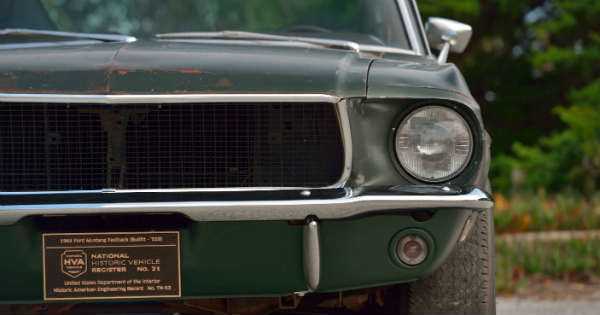
The shared excitement of discovering a rare part or seeing a project come together strengthens family cohesion. Families often recall stories from past restorations, building a sense of tradition that carries forward. Even casual involvement, like helping with paint touch-ups or learning how engines work, contributes to creating memories that remain significant for decades. The hobby fosters not just skills but a family culture built on collaboration and pride.
How Family Law Can Touch Car Ownership
While muscle cars bring families together, there are legal considerations that can affect ownership and distribution. According to kofskylawoffice.com, family law can play a role when cars are part of divorce settlements, inheritances, or joint ownership agreements. Deciding who keeps a vehicle or how its value is divided requires careful attention to legal processes. These situations are not about taking the fun out of the hobby but about ensuring fairness and clarity.
In cases of probate or inheritance, muscle cars can hold significant sentimental and monetary value. Parents may want to ensure a classic vehicle goes to the right family member, and formal legal guidance can help prevent disputes. Even when families work well together, written agreements provide protection for everyone involved. Legal frameworks exist not to hinder the enjoyment of muscle cars but to maintain harmony and prevent future conflict.
Some families also encounter scenarios where siblings or extended relatives share an interest in a single car. Clarifying legal ownership early avoids misunderstandings and preserves the enjoyment of the hobby. Consulting with family law professionals when making agreements ensures that sentimental and financial value is respected. The process reinforces accountability and prevents disagreements from overshadowing the passion for cars.
Financial Considerations and Responsibilities
Muscle cars often require financial commitment, from parts and maintenance to insurance and storage. Families must coordinate resources and plan for these expenses, especially if the car is jointly owned. Sharing these costs can strengthen collaboration and teach financial responsibility. Each member understands the consequences of delays or overspending, which reinforces trust and accountability.
Budgeting for a muscle car may also intersect with broader family obligations. For example, one parent may need to balance car-related expenses with household bills or child support. These situations underscore the importance of planning and communication. Addressing finances openly can prevent resentment and ensure that the love for the car remains a positive experience for everyone.
Unexpected expenses can also appear, such as engine failures or part shortages. Handling these emergencies together requires problem-solving and prioritization, which can mirror managing broader household finances. By confronting financial challenges as a unit, families learn to allocate resources wisely and maintain their shared passion without causing undue stress. This level of financial teamwork translates to stronger household resilience.
Lessons Learned Through Collaboration
Working together on a muscle car restoration teaches problem-solving in ways that are hard to replicate elsewhere. Families encounter unexpected challenges, from broken parts to technical repairs. Facing these issues together requires negotiation, patience, and flexibility, qualities that carry over into daily life and relationships.
This collaborative spirit can extend to legal matters as well. Families that work together to document ownership, address insurance needs, and clarify responsibilities are less likely to face disputes. Muscle cars become both a classroom and a bridge, offering lessons in teamwork, accountability, and shared achievement. The rewards go beyond the garage and influence how families interact in other areas.
Collaboration also fosters mentoring moments where experienced members pass on skills to younger relatives. These opportunities help build confidence and self-reliance while reinforcing family bonds. The lessons in patience and communication learned during restoration projects often echo in other aspects of life, from handling personal responsibilities to making joint decisions. This hands-on teamwork creates a foundation for both trust and long-term family cohesion.
Celebrating Milestones and Achievements
Completing a restoration or attending a car show provides a tangible sense of accomplishment for families. These milestones bring pride and reinforce the value of dedication and persistence. Sharing the excitement of a finished project strengthens bonds and provides memories that endure long after the work is done.
Participating in community events or showcasing cars can also highlight the importance of planning and adherence to rules. Families learn to handle registration, insurance, and compliance requirements, integrating responsibility into the hobby. By celebrating achievements within a structured framework, families experience joy without the stress of uncertainty or legal complications.
These milestones also provide opportunities for reflection and recognition. Families often document their projects with photos or journals, creating a visual history that preserves both the work and the shared experience. Celebrating small wins along the way enhances motivation and encourages continued involvement, while fostering pride in accomplishments that blend skill, creativity, and family cooperation.
Protecting Family Bonds and Valued Collections
Muscle cars are valuable not only monetarily but emotionally, and ensuring they remain part of the family requires foresight. Formalizing agreements and documenting ownership protects both the vehicles and relationships. Families that take these steps reduce the risk of disputes and ensure that their shared passion remains a source of joy.
In the end, the love for muscle cars brings families together and teaches lessons that extend beyond the garage. When families combine legal awareness with hands-on work, they protect their investments and strengthen their bonds. The shared pride in a well-maintained car reflects teamwork, responsibility, and the lasting joy of pursuing a passion together.
Protecting collections also involves thinking ahead about storage, insurance, and succession planning. Families that plan for the future ensure that vehicles can be enjoyed by the next generation without conflict. By treating muscle cars as both a hobby and a legacy, families safeguard their passions and create continuity that honors both the cars and the relationships built around them.