
If you’ve ever stood in a parking lot debating whether that roaring machine next to you is a muscle car or a sports car, you’re not alone. People mix these two up all the time, and honestly, it’s an easy mistake to make. Both are fast, both turn heads, and both have a serious fan base. But once you know what to look for, the differences become pretty clear.
It Starts With The Engine
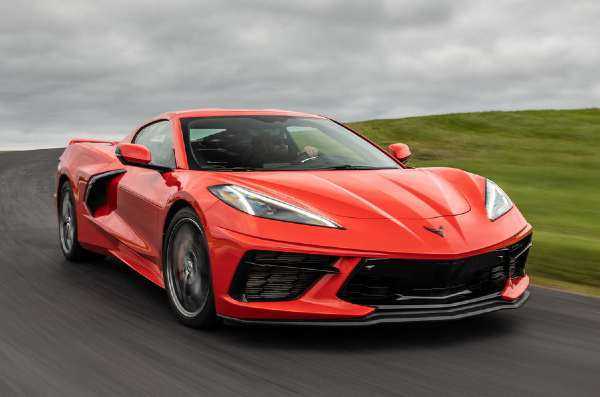
The heart of any muscle car is a massive V8 engine stuffed into a relatively affordable, full-size body. Think raw, straight-line power. Muscle cars were built to go fast in a straight line, not necessarily to carve through mountain switchbacks. Sports cars, on the other hand, tend to prioritize a balance between power and handling. They often run smaller, more refined engines that are tuned for performance across a variety of conditions, not just the quarter mile.
The Body Tells The Story
When you’re browsing the New Dodge & RAM Inventory in McKinney TX, you’ll notice that vehicles like the Dodge Challenger carry that classic muscle car DNA. Big body, wide stance, rear-wheel drive, and a look that says it means business. Sports cars tend to be lower to the ground, lighter, and more aerodynamic. They’re built to hug the road, while muscle cars are built to dominate it.
Where Each One Shines
This is where things get really interesting. Your driving experience changes significantly depending on which type you’re behind the wheel of.
Muscle cars are at their best when:
· You want to feel that V8 rumble in your chest
· You’re looking for serious straight-line acceleration
· You want a car that looks aggressive without being too exotic
· You need something that still has practical interior space
Sports cars earn their reputation when you’re on a winding road and want a car that responds to every input with precision. They feel lighter, sharper, and more connected to the pavement beneath you.
The Price Conversation
Traditionally, muscle cars were the people’s performance car. You didn’t need to be wealthy to get behind the wheel of something fast. A base model Mustang or Camaro could be had for a reasonable price, and that accessibility was a big part of the appeal. Sports cars, especially European ones, have historically carried a higher price tag. You’re paying for engineering refinement, exotic materials, and in many cases, a brand legacy built on race tracks around the world.
Handling And Feel
Take a sports car through a tight set of curves, and you’ll feel how planted it is. The suspension is tuned to keep all four tires working together, the steering is responsive, and the whole car feels as if it were designed with that exact road in mind. Muscle cars can handle, especially the modern versions, but that’s not their primary calling card. They want open road and open throttle.
So Which One Is Right For You
Honestly, it depends on what you want out of a performance car. If you love that classic American style, want a car that makes noise and commands attention, and mostly drive on highways and straight stretches, a muscle car is going to feel right at home. If you want something that rewards skill, feels nimble, and performs best when the road gets technical, a sports car might be your thing.
The good news is that both categories have never been better than they are right now. Modern muscle cars handle better than ever, and sports cars are more accessible than they used to be. You really can’t go wrong either way.